Funshine Friday: The New Adventures of Gilligan

‘They found themselves a shipwrecked clan – north on Gilligan’s Isle.’
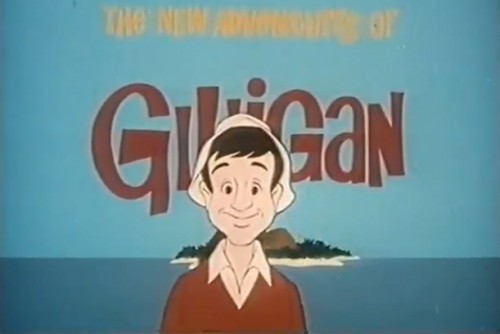
The New Adventures of Gilligan, 1974

Filmation’s animated series The New Adventures of Gilligan first aired on Saturday mornings on ABC in September of 1974. The series ran through 1975 and 24 episodes were produced. A batch of re-runs were shown during the ’76-’77 season and it moved to Sunday mornings.

Almost all of the actors from the live-action Gilligan’s Island TV show provided their speaking roles with the exception of Dawn Wells (Mary Ann) and Tina Louise (Ginger). You may remember that Gilligan’s little buddy on this series was a monkey called Snubby. Oh, the hilarity! Enjoy the show’s intro and exit below. Happy Funshine Friday!

The New Adventures of Gilligan Wiki, IMDb

Heck, yes, I’d trust these guys with my life!

Previously, on Funshine Friday: Baggy Pants & The Nitwits

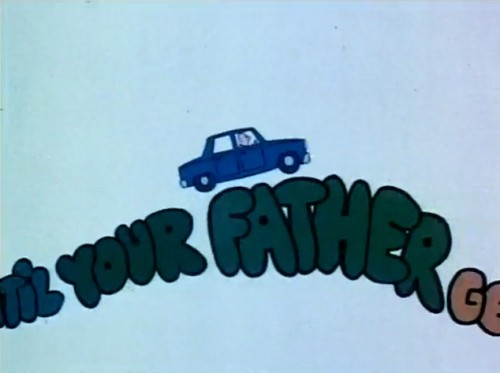
Show Toppers: ‘Wait Till Your Father Gets Home’ (1972-74)

Wait Till Your Father Gets Home intro,1972

Hanna-Barbera’s Wait Till Your Father Gets Home made its debut on primetime TV in 1972 and ran until 1974. 48 episodes were produced. After The Flintstones and before The Simpsons came along, Wait Till Your Father Gets Home was the only animated show on in the evening that lasted more than one season.

Tom Bosley (Happy Days) provided the voice of the father, Harry and Joan Gerber played his wife, Irma. Kristina Holland played the daughter, Alice. Both David Hayward and Lennie Weinrib (H.R. Pufnstuf) played the oldest son, Chet and both Jackie Earle Haley (Bad News Bears) and Willie Aames (Eight Is Enough) played youngest son, Jamie.

I was a big fan of this show and especially enjoyed Bosely’s interactions with his wacky, right-wing conspiracy theorist neighbor, Ralph (played by Jack Burns). “It’s the Russians, Harry. The Russians!”

‘WAIT TILL YOUR FATHER GETS HOME’ TV INTRO (1972)

Wait Till Your Father Gets Home Wiki, IMDb

Previously, on Show Toppers: Room 222

70s stories in the news: ‘Happy Days,’ Equality ’70, ‘Brady Bunch’

Hit the floodlights! Blast the news round-up theme music! It’s time for ’70s stories in the news’! Today, we take a look at how Happy Days lost its soul, explore a women’s equality story from August, 1970 and check in with the cast of The Brady Bunch. Heads up. Page down.

Happy Days became one of the biggest hits on TV by selling its soul
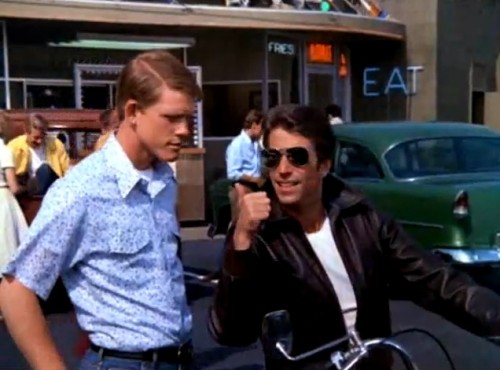
Hey, it’s that guy from ‘Eat My Dust and that guy from ‘Lords of Flatbush’!

The Onion’s A.V Club has a highly-readable story up on creator/producer Gary Marshall and how he changed (and saved) Happy Days as it began slipping in the ratings.

A.V. Club Quote:

“Garry Marshall faced a dilemma in the second season of Happy Days. The series, which had initially been an attempt to honestly depict a wistful look back at adolescence, had been a minor Nielsen hit in its first season, but it was sinking like a stone, falling out of the Top 30 and toward certain cancellation. He had one last shot at making the series a success, though it would destroy almost everything he’d set out to create.”

27 August 1970: US women find some advertising offensive, insulting and degrading

Women’s Liberation Movement marches on Fifth Avenue, New York, in 1970. Photograph: John Olson/Time & Life Pictures/Getty Image via The Guardian

The Guardian pulls a story from its archives that bears reading. August 27, 1970 and a “Strike for Equality” by the Women’s Liberation Movement. Protesters call for a boycott of products like Silva Thin cigarettes and Cosmopolitan magazine for their “offensive, insulting, and degrading” advertising.

The Guardian Quote:

“The American Tobacco Company which advertises its Silva Thins with the slogan ‘Cigarettes are like women, the better ones are thin and rich,’ understandably was the only one of the four companies to refuse to put forward a public defence.

While the manufacturers were quacking, politicians were climbing the bandwagon. President Nixon issued a proclamation from San Clemente to mark the fiftieth anniversary of female suffrage and promised to sign a pending Constitutional amendment which would guarantee women equal rights.”

‘Brady Bunch’ cast: What is the cast of the seminal blended family sitcom doing now?
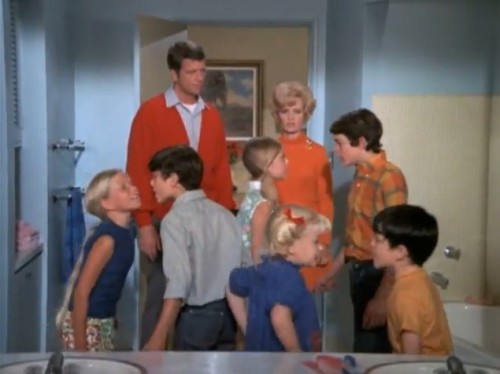
Brady Bunch bathroom brawl, November, 1969

The Huffington Post has a “Then & Now” photo gallery up which takes a look at the cast of The Brady Bunch and outlines what the actors have been up to in the years since the show went off the air in 1974.

HuffPost Quote:

“Eve Plumb today: After ‘The Brady Bunch,’ Plumb continued to act, but she also tried her hand at oil painting. She’s painted now for over two decades and her work has appeared in a number of galleries.”

Previously, on 70s stories in the news: 78-yr-old Tony Disco, Thomas Eagleton affair, recent passings
Trailer Tuesday: ‘Foxy Brown’ (1974)

‘When Foxy Brown comes to town – all the brothers gather ’round.’

Foxy Brown hit theaters in April of 1974. This iconic blaxploitation film was directed by Jack Hill and stars Pam Grier as the attractive and deadly title character.

The film is a sequel of sorts to Grier and Hill’s previous hit flick, Coffey (1973). Antonio Fargas (Starsky & Hutch, Car Wash) co-stars as Brown’s brother, Link. Enjoy the trailer!

Foxy Brown Wiki, IMDb

Previously, on Trailer Tuesday: The Culpepper Cattle Co.

Music for Monday: Ian Hunter (with Mick Ronson), ‘Once Bitten, Twice Shy’

‘My, my, my…’ ‘Once Bitten, Twice Shy,’ Ian Hunter, 1975.

Ian Hunter released the “Once Bitten, Twice Shy” single in April of 1975. It was taken from Hunter’s eponymous, debut solo album following his time with Mott the Hoople. Mick Ronson (best-known for his guitar work for David Bowie during the Ziggy Stardust period) played guitar and co-produced the Hunter-penned tune.

“Once Bitten, Twice Shy” hit #14 on the UK charts in 1975. Great White’s cover-version of the song would climb to #5 on the US Billboard chart 14 years later.

Ian Hunter Wiki, IanHunter.com

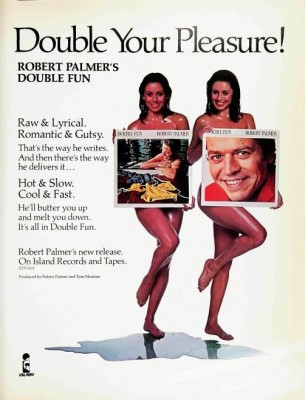
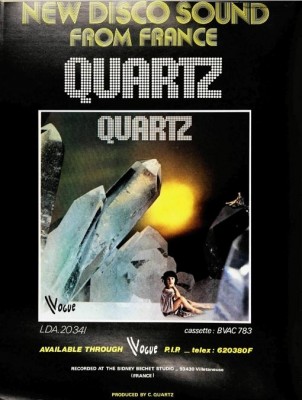
Rad Ads: Billboard (March, 1978)

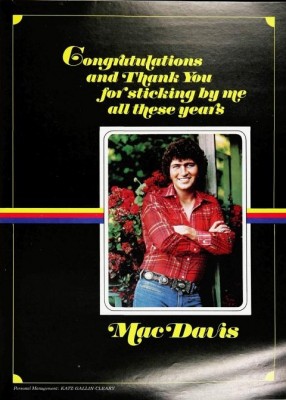
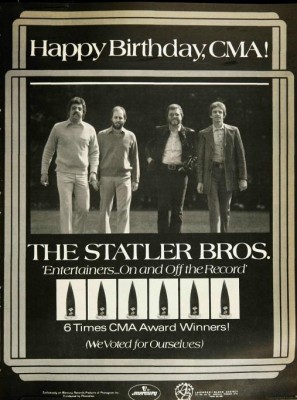
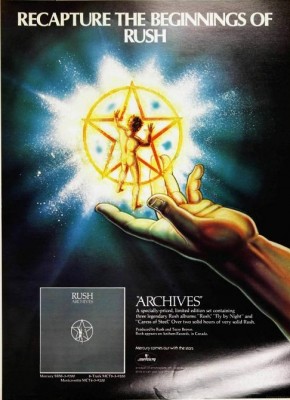
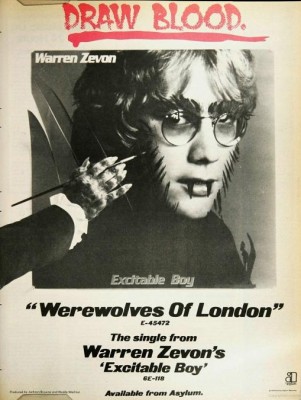
Rad Ad time! Let’s dive into the March 18, 1978 issue of Billboard magazine and scope out some delectable, music-related advertisements. This issue featured a 20-year anniversary salute to the Country Music Awards (CMAs) and the artist sitting at the top of the Hot 100 chart was the Bee Gees with “Night Fever.”

Dolly Parton for the CMAs

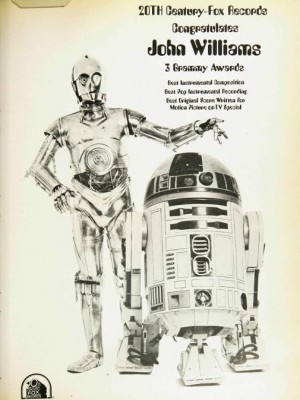
John Williams Grammy awards for Star Wars

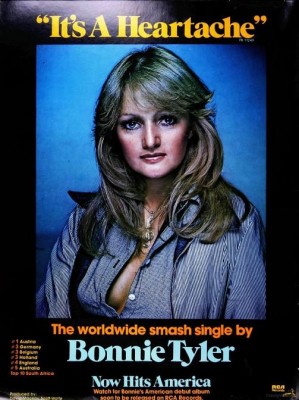
Bonnie Tyler, “It’s A Heartache”

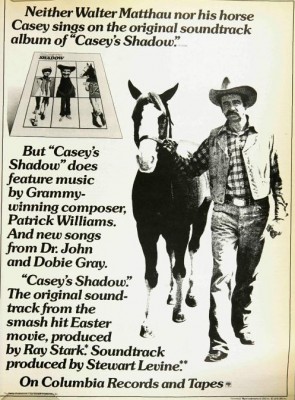
Walter Matthau and the ‘Casey’s Shadow’ soundtrack

Mac Davis for the CMAs

Statler Brothers for the CMAs

Rush, ‘Archives’

Warren Zevon, ‘Werewolves of London’

Robert Palmer, ‘Double Fun’

Quartz – Disco from France. Not…phallic…at…all…

Previously, on Rad Ads: Macho cigarettes & shiny cars (1975)