Nixon: It Gets Worse
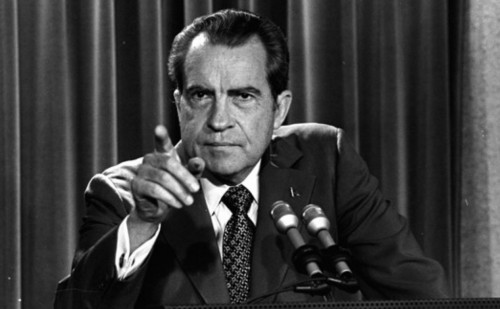
Richard Nixon, 1973. (Photo: The Washington Post)
Here’s a trio of 70s-related stories in recent news that may catch your interest. First up, famed investigative reporters, Bob Woodward & Carl Bernstein, take a look back at Watergate (June 17, 1972) in an article at The Washington Post entitled, “40 years after Watergate, Nixon was far worse than we thought“.
Washington Post Quote:
“Today, much more than when we first covered this story as young Washington Post reporters, an abundant record provides unambiguous answers and evidence about Watergate and its meaning. This record has expanded continuously over the decades with the transcription of hundreds of hours of Nixon’s secret tapes, adding detail and context to the hearings in the Senate and House of Representatives; the trials and guilty pleas of some 40 Nixon aides and associates who went to jail; and the memoirs of Nixon and his deputies. Such documentation makes it possible to trace the president’s personal dominance over a massive campaign of political espionage, sabotage and other illegal activities against his real or perceived opponents.
In the course of his five-and-a-half-year presidency, beginning in 1969, Nixon launched and managed five successive and overlapping wars — against the anti-Vietnam War movement, the news media, the Democrats, the justice system and, finally, against history itself.”
Mark Spitz: A Look Back At The Olympic Legend
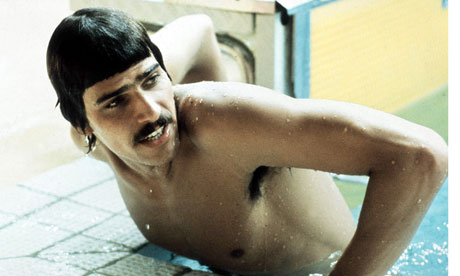
The Guardian takes a look at “50 stunning Olympic moments” and features Mark Spitz winning seven swimming gold medals in the 1972 Summer Olympics.
The Guardian Quote:
“Chastened by past failure and buoyed by a huge ego, Mark Spitz won seven gold medals, all in world record times, at the Munich Games – then had to flee home the day after his last swim…His final race at those Games had been held on 4 September. Spitz celebrated his historic achievement in understated style that night, going for dinner with a few journalists. The following morning he woke, dressed and walked to the media centre, where he was scheduled to hold a press conference. ‘Did you hear what happened?’ one journalist asked when he arrived. ‘Yeah, I won seven gold medals,’ he replied.
But few people were talking about Spitz on the morning of 5 September; during the night a group of Black September terrorists had broken into the athletes’ village and found a grim new way to make headlines. Already two Israelis were dead, and nine more were to follow.
Officials decided that Spitz, the most famous face of the Games and a Jew to boot, was also at risk, and at the end of the press conference he was allocated six armed guards.”
Early Gay Rights Protests, 1971
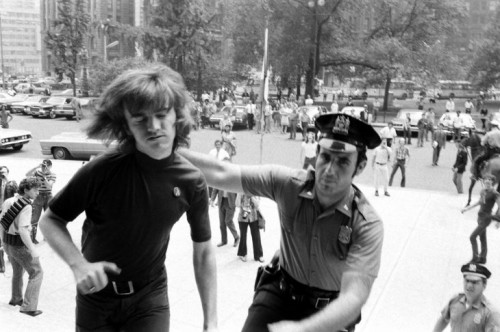
Gay Activists Alliance President Jim Owles submits to arrest, 1971 (Photo: Grey Villet—Time & Life Pictures/Getty Images)
Lastly, LIFE magazine has posted a photo gallery featuring early gay rights images from Gay Liberation Week in June, 1971.
LIFE Quote:
“In late 1971, two years after the Stonewall riots in New York sparked the modern gay rights movement in America, and twelve months before LIFE ceased publishing as a weekly, the magazine featured an article on “gay liberation” that, seen a full 40 years later, feels sensational, measured and somehow endearingly, deeply square all at the same time.
Titled ‘Homosexuals in Revolt’ and touted as ‘a major essay on America’s newest militants,’ the piece elicited strong reactions from readers…”