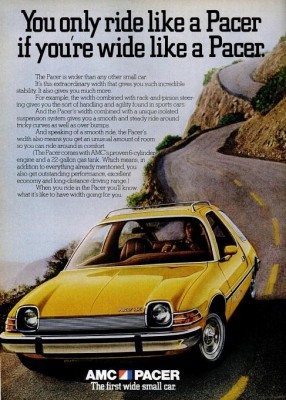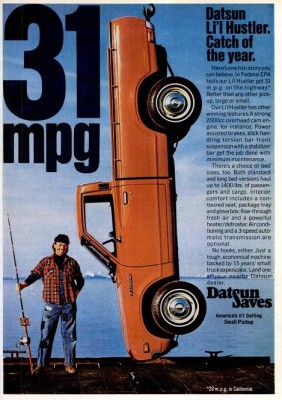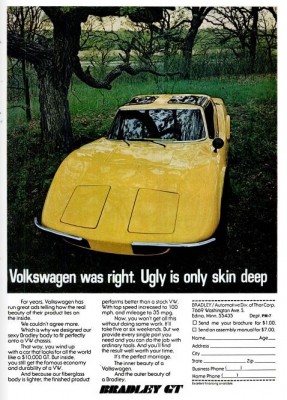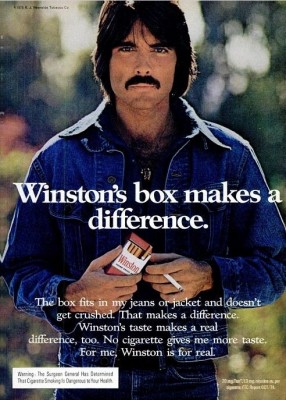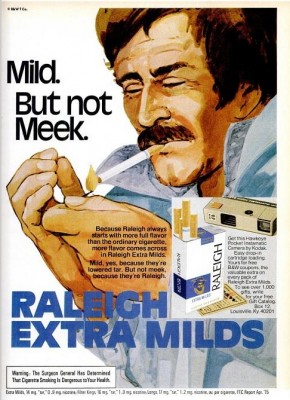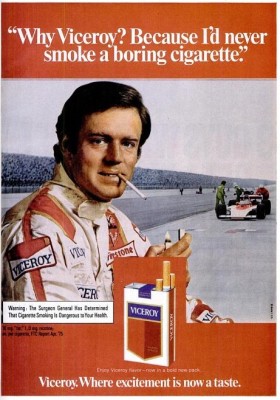
Time for some delightful “Rad Ads”. Today, let’s dip into the July, 1975 issue of Popular Mechanics and pull out a half-dozen ads featuring glossy new vehicles and macho fellows posing with cigarettes. This is where the magic happens!
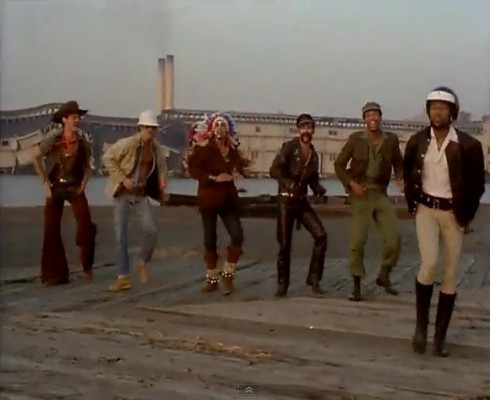
A member of 1970s disco party band the Village People has won a “landmark legal case” regarding his right to reclaim partial ownership and improved royalties for many of the band’s hit songs.
Victor Willis, perhaps better known as the original “Policeman”, has been allowed “to terminate a decades-old publishing deal, which gives him the right to expanded royalties for hits such as ‘YMCA’ and ‘Macho Man’.” Congrats, disco cop! I’m all for any musician getting his fair due from the corporate record labels notorious for ripping off artists. Read the full story at The Guardian.
The Guardian Quote:
“It all goes back to the 1978 amendments to the US Copyright Act. According to that law, songwriters have the right to unilaterally terminate their copyright deals with labels and publishers, 35 years after the contracts are inked, provided they give due notice to labels and publishers. It is under that law, which takes effect next year, that Willis is relcaiming his rights to the Village People’s hits.
Many artists who were making music in the late 70s, including Bob Dylan, Tom Waits and the Eagles, have begun filing notices of termination, telling their publishers and labels that they want out. And the famously litigious Willis was no different, terminating his agreement with Scorpio Music and Can’t Stop Productions, which administer the Village People’s publishing rights.”
Village People Wiki
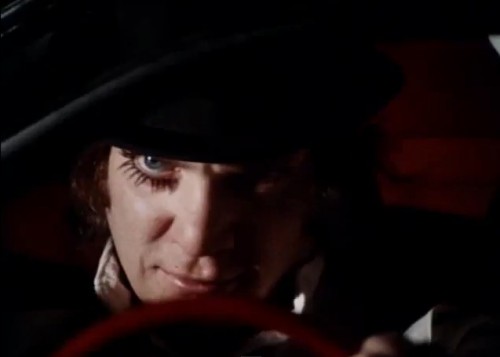
Malcolm McDowell in A Clockwork Orange, 1971. ‘Viddy well me brothers…viddy well.’
Anthony Burgess published A Clockwork Orange 50 years ago and The Guardian has posted a story about it you may wish to read.
Stanley Kubrick’s film based on the book debuted in US theaters in December of 1971. I was much too young to see it then but one of my early memories is driving by a Hollywood theater and seeing the bizarre artwork protruding from the marquee. In later years I remember my mother telling me she went to see A Clockwork Orange but had to walk out early as she found the violence too disturbing. For its time, the film was certainly trendsetting, breaking taboos regarding the use of onscreen sex and violence.
When I finally read the book and saw the movie myself around age 15, they, along with actor Malcolm McDowell, became personal favorites. Happy Birthday to you, Clockwork O! Enjoy the arty trailer.
‘A CLOCKWORK ORANGE’ TRAILER (1971)
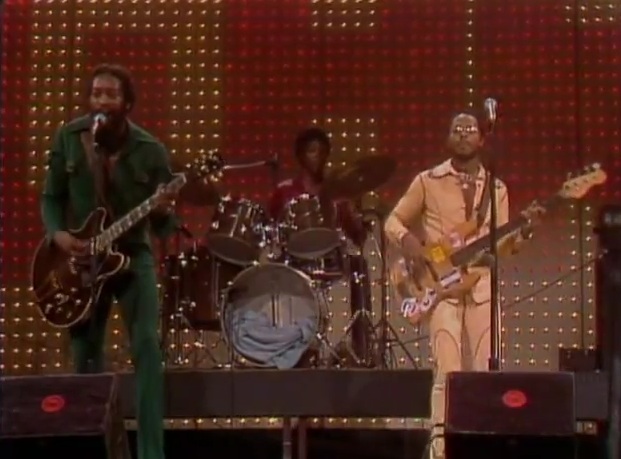
WAR’s “The Cisco Kid” was recorded in 1972 for “The World is a Ghetto” L.P. and released as a single in 1973. The album ended up as the best-selling album of 1973 and “The Cisco Kid” rose to #4 on the Billboard Hot 100. Have a happy Monday.
WAR, ‘THE CISCO KID’ (LIVE, 1973)
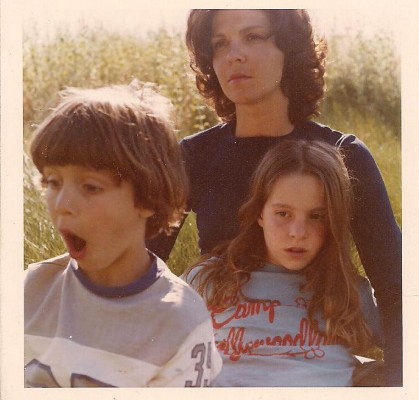
Happy Mother’s Day from Bionic Disco to you and yours! Hope you have a fine celebration of motherhood.
Here’s to my mother, Stella, who moved back to her hometown of Texas from sunny L.A. some time ago. Have a great one, Mom! Thanks for letting me stay up late and catch the first season of Saturday Night Live back in ’75. My sense of humor thanks you.
Ex-Spooky Tooth keyboard player, Gary Wright, released “Dreamweaver” in 1975. The song took its own sweet time weaving its way up the charts, reaching #2 on Billboard’s Hot 100 in March of 1976.
Fun Facts: In 1954, child-actor Wright performed nightly on Broadway with Florence Henderson (later of The Brady Bunch) in the hit musical Fanny.
Wright’s follow-up single to “Dreamweaver”, “Love is Alive”, also rose to #2 on the Billboard Hot 100 (Aug. ’76). So close!